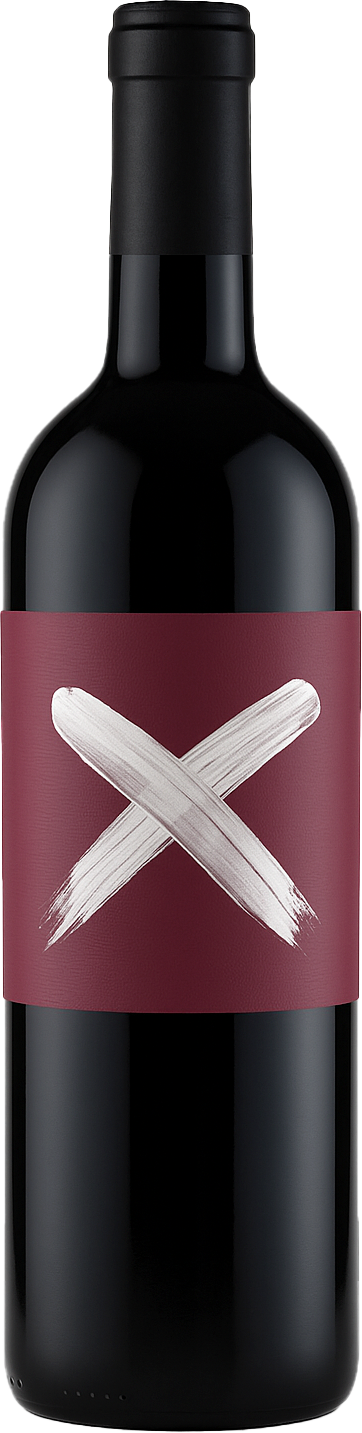
Up in the coastal hills and along the fog lines, California has always grown quieter wines. Wines with detail, freshness, and a distinct character. They just needed someone to listen, and Broad Brush was created to do exactly that.
01 / The Category: The Long Road to Serious Kosher Wine
For most of a century, kosher wine in America meant sweet sacramental grape juice. The kind poured at Kiddush and endured more than enjoyed.
The change came slowly. A first wave of serious producers planted real vineyards in California and Israel, and by the 1980s and 1990s they had proven that kosher and world class could share a label. By the 2010s, a kosher drinker could pour fine Bordeaux, real Burgundy, and Napa Cabernet with a genuine pedigree.
But something else happened along the way. Kosher California mostly traded sweetness for size. Bigger became better. Riper and oakier became the house style of a whole category.
Broad Brush was built as the answer to that. The idea is simple and a little stubborn: California can do far more than big and heavy. Its best vineyards have something specific to say, if you let them.
02 / The Founder: A Standard That Does Not Move
Andrew Breskin learned wine far from the kosher aisle. He trained through the Court of Master Sommeliers and spent years tasting the world's finest bottles, including small California producers whose wines never reach a store shelf.
When he built Liquid Kosher, he brought one rule with him: that same standard would not move. Every great wine he had ever tasted became the bar that every kosher wine now has to clear. No wine gets in just because it is kosher.
That standard revealed an opportunity. California is home to a handful of winemakers who have quietly turned kosher wine into an art form, and Broad Brush brings them together around a single idea: each one creates something that could exist nowhere else and come from no one else.
03 / The Philosophy: Place First. Then the Person Who Knows It.
"Great wine is a conversation between a place and the person who understands it best."
For Andrew, this was never just a nice phrase. He believes the wines worth remembering carry two signatures: the vineyard's and the winemaker's.
So when we built this label, we skipped the usual route. No bulk juice wrapped in a story. Andrew went winemaker by winemaker, found the craftsmen he admired most who were already making the finest kosher wines in California, and asked them to make something new with us.
We do not start with a house style and then hunt for fruit to fill it. We start with the land. Then we partner with the one winemaker who knows that land best. The person who has walked those rows for a decade of harvests. Who knows which block ripens first. Which slope keeps its freshness. Which barrel flatters the wine instead of smothering it.
Quick Comparison at a Glance
| Feature |
A Normal Estate |
Broad Brush |
| The Starting Point |
Starts with property. |
Starts with a question. Who is best suited to make this wine? |
| Identity |
Tied to the land it owns and the same team making the wine every year. |
Tied to finding the master of a specific region (e.g., a Napa Valley veteran who knows exactly how to build an age-worthy Cabernet, or a Sonoma Franc expert). |
That makes us less like a normal winery and more like a curator. The freedom comes with a catch. A collection made by many winemakers can easily feel scattered.
We keep it whole by holding every wine to the same few rules. The site has to show, the fruit has to keep its energy, and California's generosity has to be shaped into balance. The wines speak in different accents. They are still saying the same thing.
04 / The Rules: What All Our Wines Share
- Place before grape: The vineyard earns its name on the label right next to the variety.
- Picking for freshness: Acidity does real work in these wines. It holds the fruit in tension and keeps everything alive. That means picking before ripeness runs away with the flavor.
- Oak as seasoning: Nothing here should taste of the barrel first. Spice and cedar are framing, not filling.
When the match is right, something remarkable happens. The land speaks, and the winemaker gives it a voice. The wine stops being a product and becomes a translation.
That is what we mean by true California energy: not weight or heaviness, but the life of ripe fruit grown in amazing light, moving through the glass with real drive.
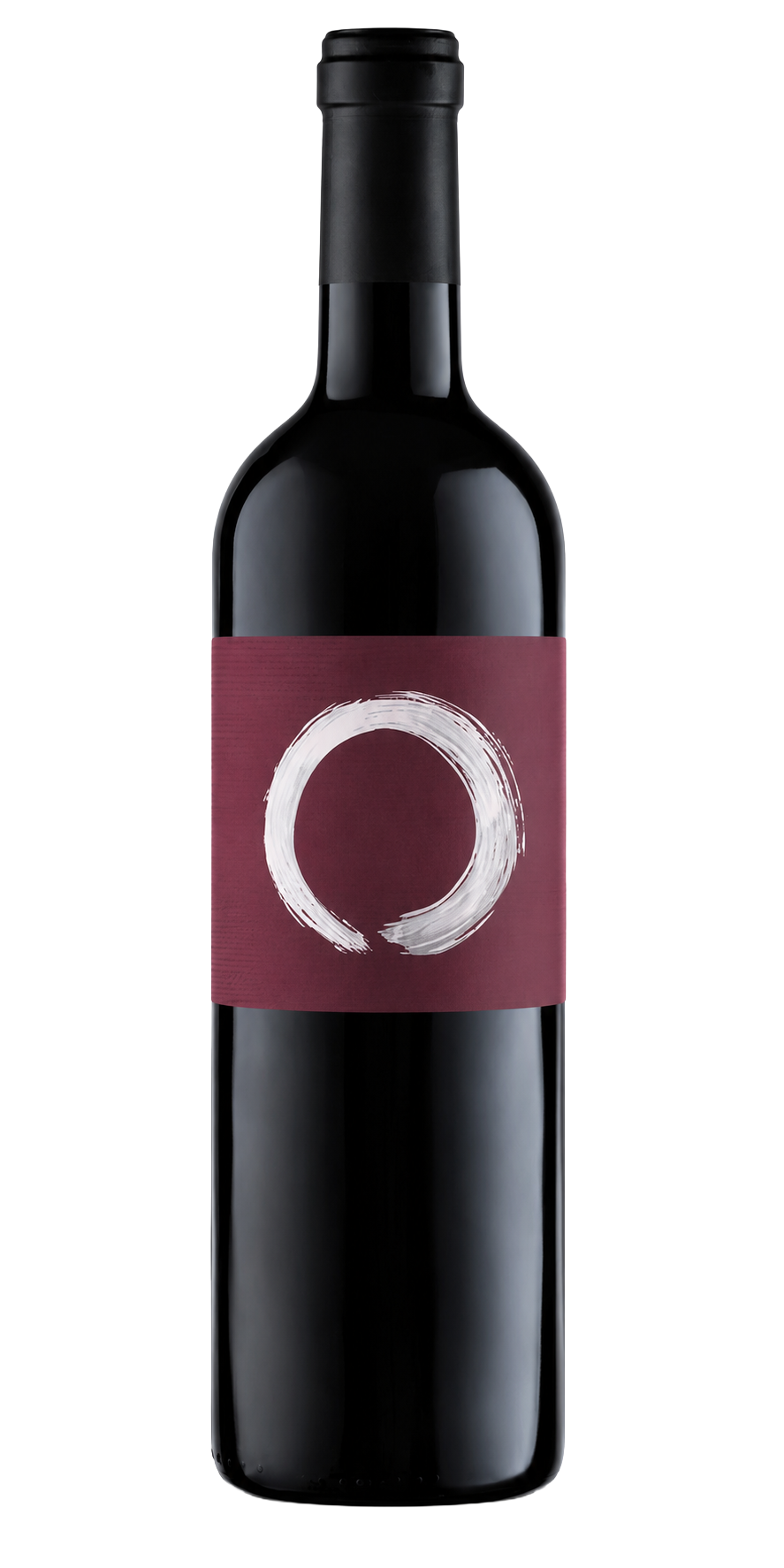
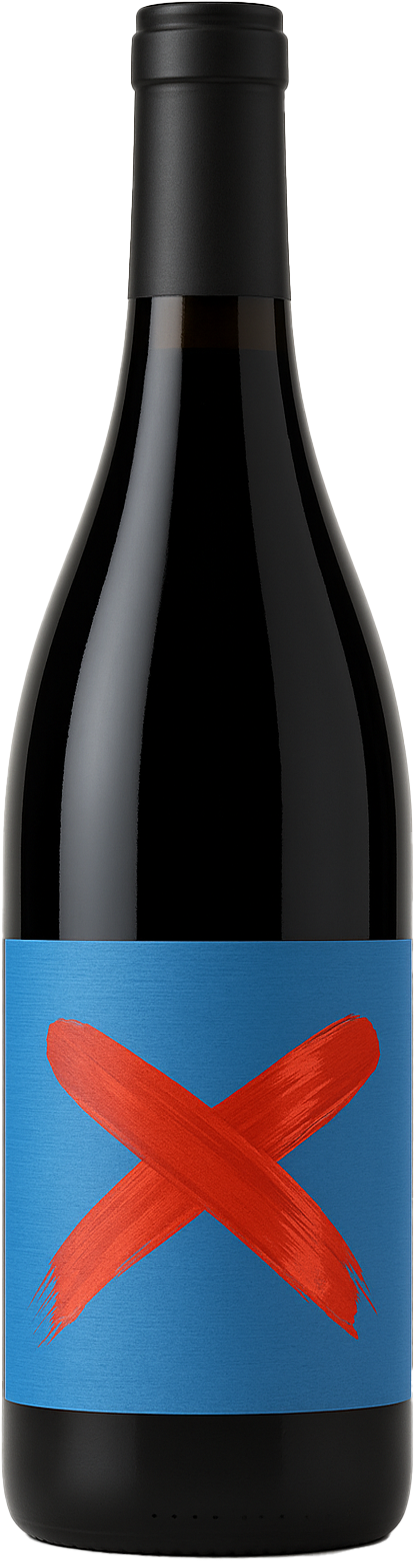
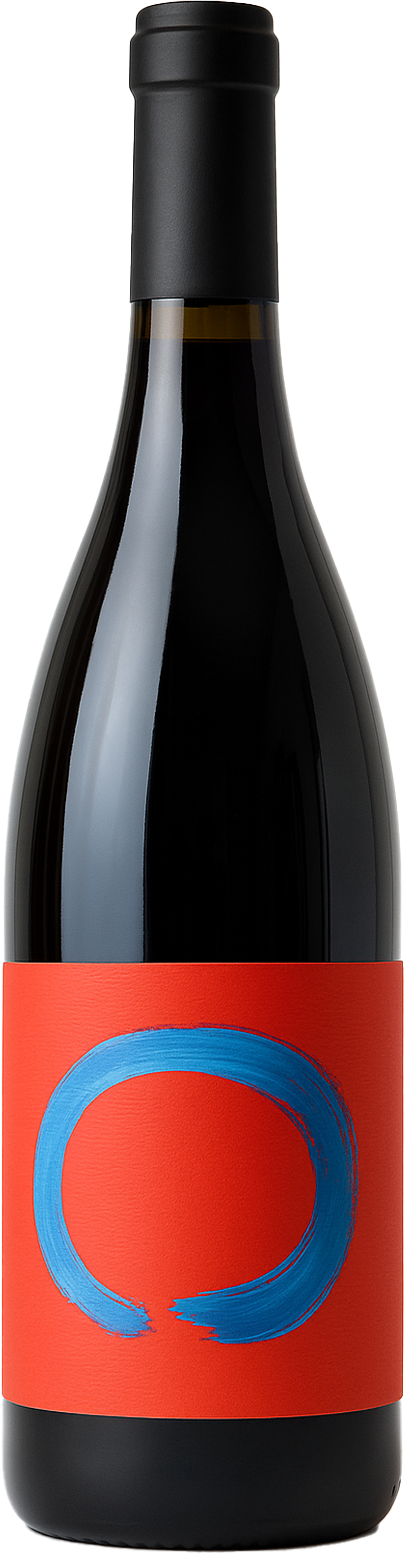
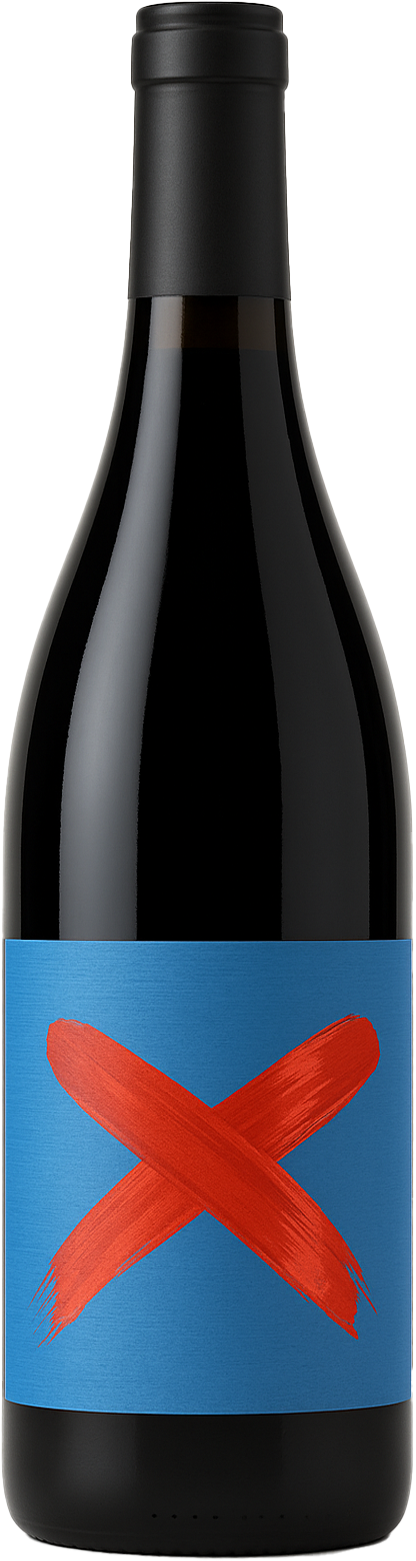
Kosher California wine has been painted with a broad brush for decades. Heavy, obvious, all the same. We took the insult and hung it on the wall as a dare. Everything underneath it is an exercise in fine strokes.
05 / The Portfolio: Five Wines, Two Great Traditions
Every one from a named place, offering a distinct expression of the California landscape.
Sonoma County / The Rhone side
The name says it all: Sonoma meets the Rhone. Deep ruby in the glass. Black cherry, plum, and dried herbs, with hints of smoked meat, lavender, and pepper. The palate is plush but disciplined, with dark berries, cocoa, and savory spice held in by fine tannins.
It is also mevushal, which means it can go anywhere. The caterer's table, the shul dinner, the office party. No one pouring this wine is being asked to settle.
Paso Robles / The Rhone side
If the SORHONA is the friendly face of our Rhone family, this is its backbone. The nose is dark and brooding. Black cherry, smoked meat, peppery spice. The palate brings blackberry and plum wound through olive tapenade, leather, and smoky minerality. Full bodied and intense, plush but braced by fresh acidity and firm tannins.
Sweet fruit is easy to sell. Pepper and earth ask you to meet the wine halfway, and we think you are ready.
Bennett Valley, Sonoma / The Bordeaux side
Cabernet Franc is a hard grape to get right. Pick it too early and it tastes like green pepper. Pick it too late and it tastes like jam. There are only a few days when it is perfect. That takes a great vineyard and a winemaker with chutzpah.
Bennett Valley is the right place to get it right. A small, cool pocket of Sonoma where ocean air slips through a gap in the hills and slows the ripening down.
Dried herbs, wildflowers, and savory spice over bright raspberry and pomegranate. Graphite and cocoa trace back to the valley's volcanic soils. Silky tannins carry it to a long, mineral finish. A little Malbec adds plushness through the middle. A touch of Cabernet Sauvignon lends firmness. It rewards the second glass more than the first, which is the oldest test of elegance there is.
Paso Robles / The Rhone side
Look closely at that last grape. Grenache Blanc is a white grape, co-fermented into a red on purpose. It is an old Rhone trick borrowed from Cote Rotie, where a splash of white lends polish to a red.
Here it rounds out the structure and gives the wine an elegant texture, with the bite of a Northern Rhone red. Red and blue fruit, savory spice, a long finish. Our finest vintage of this wine yet. It drinks beautifully now, and it can surprise you in the cellar.
Napa Valley / The Bordeaux side
Proof that mevushal and serious can live in the same bottle. Blackberry and black currant layered with dark chocolate, cedar, and graphite. Firm but polished, with a velvety finish.
It belongs anywhere a serious Napa Cabernet should be able to go.

Vintage: 2023 | Aging: 20 Months French Oak | Status: Mevushal
Broad Brush was made to prove a point: that a kosher Napa Cabernet can stand shoulder to shoulder with the valley's most respected estates. The 2023 vintage makes this case emphatically. A long, cool growing season and an unhurried harvest gave the fruit rare concentration without feeling heavy.
In the glass, it shows a deep garnet-purple. The nose opens with cassis, wild blueberry, and black raspberry. Given some air, it reveals violets, graphite, and crushed gravel, with dried herbs and a trace of cedar underneath. It spent twenty months in select French oak barrels, which contributes spiced sandalwood, vanilla, and sweet tobacco—flavors that are seamlessly integrated rather than just resting on top.
The palate is full-bodied and multi-dimensional. Generous black fruit is set against a savory, mineral core that keeps the wine taut. Fine-grained, polished tannins carry through a mid-palate of plum and dark chocolate, while bright acidity holds the whole frame together. The finish is long, seductive, and slow to fade, closing on graphite and a hint of dark cocoa.
The true rarity here is finding a Napa Cabernet this serious and age-worthy that also happens to be mevushal. It is pure Napa Valley fruit built for the long run, and it can be poured by anyone at any table without compromise. It is beautiful now with a proper decant, but it has the structure to reward a decade or more in the cellar.
06 / Availability: Securing Your Bottles
Wines like these are made in small quantities. Low yields and demanding sites are the whole point, and they cap how much wine exists. Once a vintage sells through, there is no guarantee it will stick around for long.
The advice we give our own Cellar Club members applies here. If one of these wines speaks to you, act while it is still available.
For the Napa Valley Cabernet, think in several bottles rather than one. Open one now, with a proper decant and a slow evening, so you understand what you have. Save the rest. A structured Cabernet like this will reward you in five years and surprise you in a decade.
The Napa Valley Cabernet is also available in magnum, in very limited numbers. A magnum is more than a statement piece. Large formats age more slowly and more gracefully. With less oxygen for every ounce of wine, the tannins soften over a longer, smoother arc. It makes an unforgettable centerpiece for a milestone simcha or a Yom Tov table. And because it is mevushal, it carries a unique advantage: this large-format, serious wine can be poured freely by anyone at any table without compromise. Our
SORHONA is also available in magnum for the same flexibility.
The question is no longer whether it is as good.
For decades, the question asked of kosher wine was whether it could be as good as everything else. That question is settled. The better question is whether kosher wine can be interesting. Whether it can have a point of view, a distinct character, a voice worth debating over the second bottle.
Open the Bennett Valley Franc for the conversation. Pour the SORHONA at the simcha. Bring the Syrah-Mourvedre for the skeptic who says kosher California all tastes the same. Hand the Grenache Blanc blend to the friend who thinks they have tasted everything. And lay the Napa Valley Cabernet down. Let it show you how profound an age-worthy, mevushal Cabernet can be over a decade in the cellar.
Shop Broad Brush